


Exploring the psychological effects of gambling on decision-making processes
The Allure of Gambling: Psychological Triggers
The psychological appeal of gambling stems from various intrinsic and extrinsic factors that captivate individuals. Cognitive biases, such as the illusion of control and availability heuristic, often skew decision-making. Gamblers may overestimate their ability to influence outcomes, leading to persistent engagement despite losses. This false sense of empowerment can create a cycle of repeated gambling, driven by hope and anticipation, where one might even consider the best online casino.
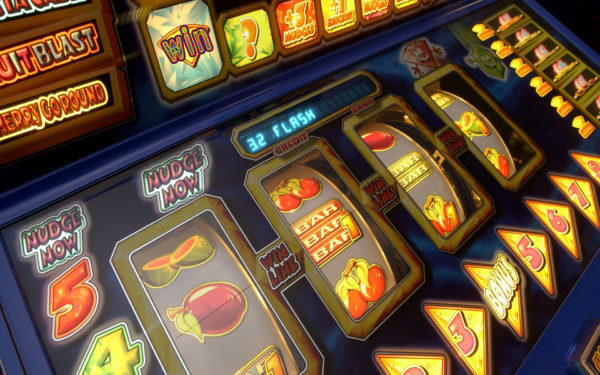
Additionally, the environment where gambling takes place amplifies these psychological effects. The sensory stimulation from bright lights and sounds in casinos stimulates excitement, often overshadowing rational judgment. This sensory overload can lead individuals to make impulsive decisions that prioritize immediate gratification over long-term consequences.
The Role of Emotions in Gambling Decisions
Emotions play a crucial role in gambling behavior, significantly affecting decision-making processes. A gambler’s mood can influence their risk tolerance, with heightened emotions often leading to more reckless choices. For example, someone experiencing feelings of euphoria from a win might continue to gamble, believing their luck will persist. Conversely, negative emotions can lead to chasing losses, where individuals gamble more to recoup what they’ve lost.
This emotional rollercoaster can cloud judgment, leading to impulsive bets and poor financial decisions. As emotional states fluctuate, gamblers often find themselves trapped in a cycle of highs and lows, reinforcing the addictive nature of gambling.
The Impact of Cognitive Dissonance
Cognitive dissonance is another significant psychological phenomenon affecting decision-making in gambling. Gamblers may experience discomfort when their behavior conflicts with their beliefs about responsible gambling. For instance, when they bet more than intended or engage in risky behavior, they may justify these actions through rationalization, thereby reinforcing their gambling habits.
This internal conflict can lead to harmful decision-making patterns, as individuals attempt to align their actions with their self-image. They may downplay their losses and emphasize their wins, creating a distorted perception of their gambling success and further entrenching their gambling behaviors.
The Influence of Social Factors
Social factors can significantly impact gambling decisions and behaviors. Peer pressure and social norms often dictate gambling practices, making individuals more likely to engage in risky behaviors in group settings. When surrounded by fellow gamblers, individuals may feel compelled to participate, even when aware of potential negative consequences.
Moreover, social interactions can create a false sense of community around gambling. Individuals may find camaraderie in shared experiences, reinforcing their decision-making processes. This social reinforcement can lead to a normalization of gambling behaviors, obscuring the risks associated with excessive gambling.

Understanding Responsible Gambling and Support Resources
Responsible gambling is essential for mitigating the psychological effects and poor decision-making associated with gambling. Awareness and education about the risks involved can empower individuals to make informed choices, fostering healthier gambling habits. Resources like counseling and support groups are crucial for those struggling with compulsive gambling behaviors.
By creating a safe environment for discussion and support, individuals can confront their gambling challenges more effectively. Education on recognizing the signs of problematic gambling can aid in promoting healthier decision-making processes, ultimately leading to better outcomes for individuals and their communities.
Leave A Comment