


The evolution of casinos tracing the history from ancient gambling to modern entertainment
The Origins of Gambling in Ancient Civilizations
The history of gambling can be traced back to ancient civilizations such as the Chinese, Greeks, and Romans, where games of chance were integral to their cultures. In China, gambling with dice dates as far back as 2300 BC, while the Greeks enjoyed various forms of betting on athletic contests, showcasing an early connection between risk-taking and societal events. These ancient practices laid the groundwork for the betting systems we see today, including how players engage at places like casinomrben.co.uk.
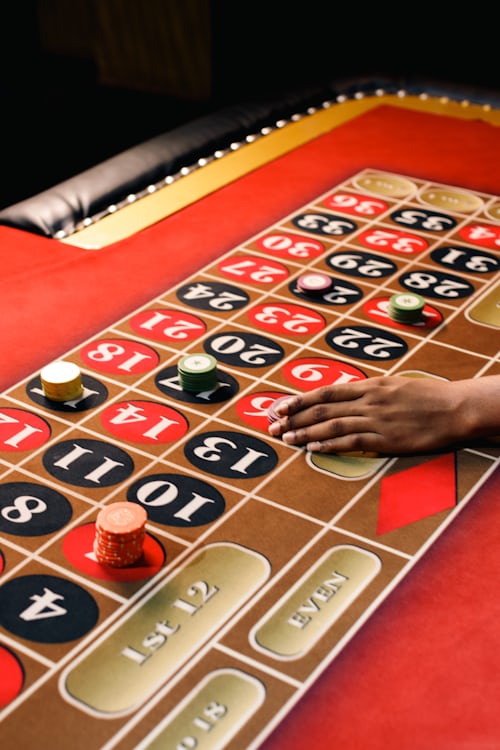
In ancient Rome, gambling became a popular pastime among the elite, often accompanied by elaborate games and betting on gladiatorial contests. The Romans established rules and regulations surrounding gambling, allowing for organized betting, which foreshadowed the development of more formal gambling establishments. This early introduction of regulated betting set a precedent that would influence future gambling practices throughout history.
The emergence of gambling in these early societies was not merely for entertainment; it often had religious and cultural significance. Many games were associated with divination, seeking favor from the gods, and determining fate. This blend of spirituality and chance highlighted how deeply embedded gambling was in the fabric of ancient life, reflecting the human inclination toward risk and reward.
The Medieval Era and the Rise of Gambling Houses
The medieval period saw a significant evolution in gambling, particularly with the establishment of dedicated gambling houses. As European societies began to flourish, so too did the popularity of games like dice and card games. The emergence of gambling houses during the 15th century provided a controlled environment for betting, leading to the establishment of rules and house edges that govern games today. This formalization made gambling more accessible to the masses.
The introduction of playing cards in Europe during the 14th century marked a pivotal shift in gambling culture. Card games became a staple in both royal courts and common households, increasing the appeal of gambling across social strata. The rise of poker, baccarat, and other card games in this era eventually became the foundation for many contemporary casino games that are played worldwide.
In addition to card and dice games, the medieval period also saw the beginning of betting on sports, particularly in England. Horse racing gained tremendous popularity, and betting on these events became a common pastime. The establishment of the first official racecourse, alongside the legal framework to support gambling, illustrates how intertwined gambling became with leisure and social activities during this era.
The Birth of Modern Casinos in the 17th and 18th Centuries
The modern casino as we know it began to take shape in the 17th century, primarily in Italy. The first official casino, the Ridotto, was opened in Venice in 1638, providing a space where individuals could gamble in a regulated environment. This marked the transition from informal gambling to organized, structured gaming, leading to the proliferation of casinos across Europe. The establishment of the Ridotto set a benchmark for future gambling establishments worldwide.
During the 18th century, casinos began to spread throughout Europe and eventually reached the shores of America. The establishment of casinos in cities like New Orleans during this time introduced a new culture of gambling that was influenced by both European traditions and local practices. The American casino scene began to evolve, characterized by distinct games and social norms that catered to a diverse population of gamblers, including those who prefer the MrBen casino experience.
As gambling became more widely accepted, the relationship between casinos and society grew increasingly complex. Casinos began to host elaborate events, integrating dining and entertainment with gambling, thus transforming them into multifaceted entertainment venues. The introduction of roulette and other games of chance served to enhance the casino experience, appealing to a broader audience looking for leisure and excitement.
The Technological Revolution and Online Gaming
The late 20th century marked a technological revolution that significantly altered the landscape of gambling. With the advent of the internet, online casinos began to emerge in the mid-1990s, providing players with the ability to gamble from the comfort of their homes. This innovation democratized access to gambling, allowing a wider demographic to participate in games that were previously limited to physical locations. Online platforms offered a vast array of games, replicating the casino experience virtually.
As technology advanced, the industry evolved, introducing live dealer games and mobile gaming applications. This enhancement allowed players to enjoy a more immersive experience while retaining the convenience of online gaming. Virtual reality technology is now being explored, further pushing the boundaries of how players engage with gambling. Online casinos have rapidly become a significant segment of the gaming industry, often outpacing traditional brick-and-mortar establishments.
The increasing popularity of online gambling has raised questions about regulation and player safety. Authorities across the globe are now working to establish frameworks to ensure fair play and consumer protection. As the online casino market continues to expand, responsible gaming practices have become a focal point, emphasizing the need for players to engage in gambling activities with caution and awareness.

The Future of Casinos and the Role of Online Platforms
As we look to the future, casinos are poised to continue evolving alongside technological advancements and societal changes. The rise of esports and skill-based games represents a new frontier for gambling, attracting a younger audience interested in competitive gaming. Online platforms are adapting to these trends, offering betting options on various esports events and creating environments where skill-based gaming is promoted alongside traditional games. The Mr Ben casino experience is likely to play a significant role in this evolution.
Moreover, the integration of artificial intelligence and machine learning is set to transform how casinos operate. These technologies can analyze player behavior, providing insights that can improve customer experiences and enhance marketing strategies. By leveraging data, casinos can personalize offerings, ensuring that players are presented with games and promotions that align with their preferences.
As the industry continues to adapt, it will be fascinating to see how the fusion of entertainment and technology shapes the future of casinos, especially within premium online environments.
Leave A Comment